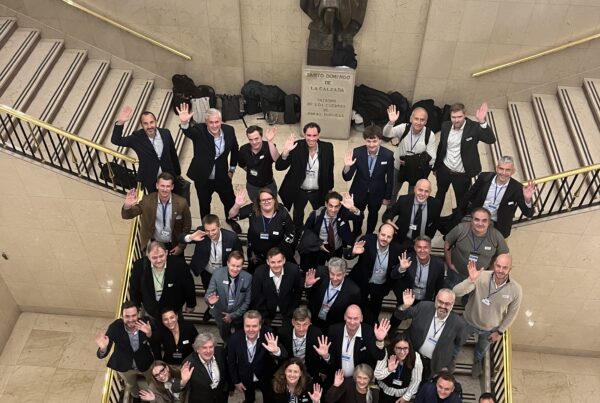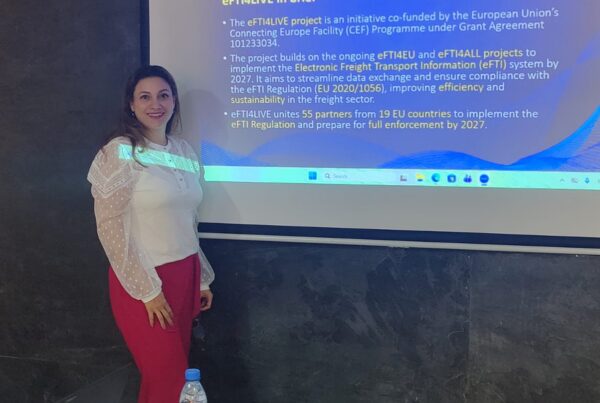

Over the past weeks, the eFTI4LIVE Project has officially launched its operational phase through two dedicated Kick-Off Meetings for Work Package 2 (eFTI System Development) and Work Package 3 (Communication and Capacity Building). These first technical and coordination meetings mark an important step forward, as project activities begin to take shape and the consortium prepares the ground for the months and years ahead, which will be characterised by intensive collaboration across all participating Member States and stakeholders.
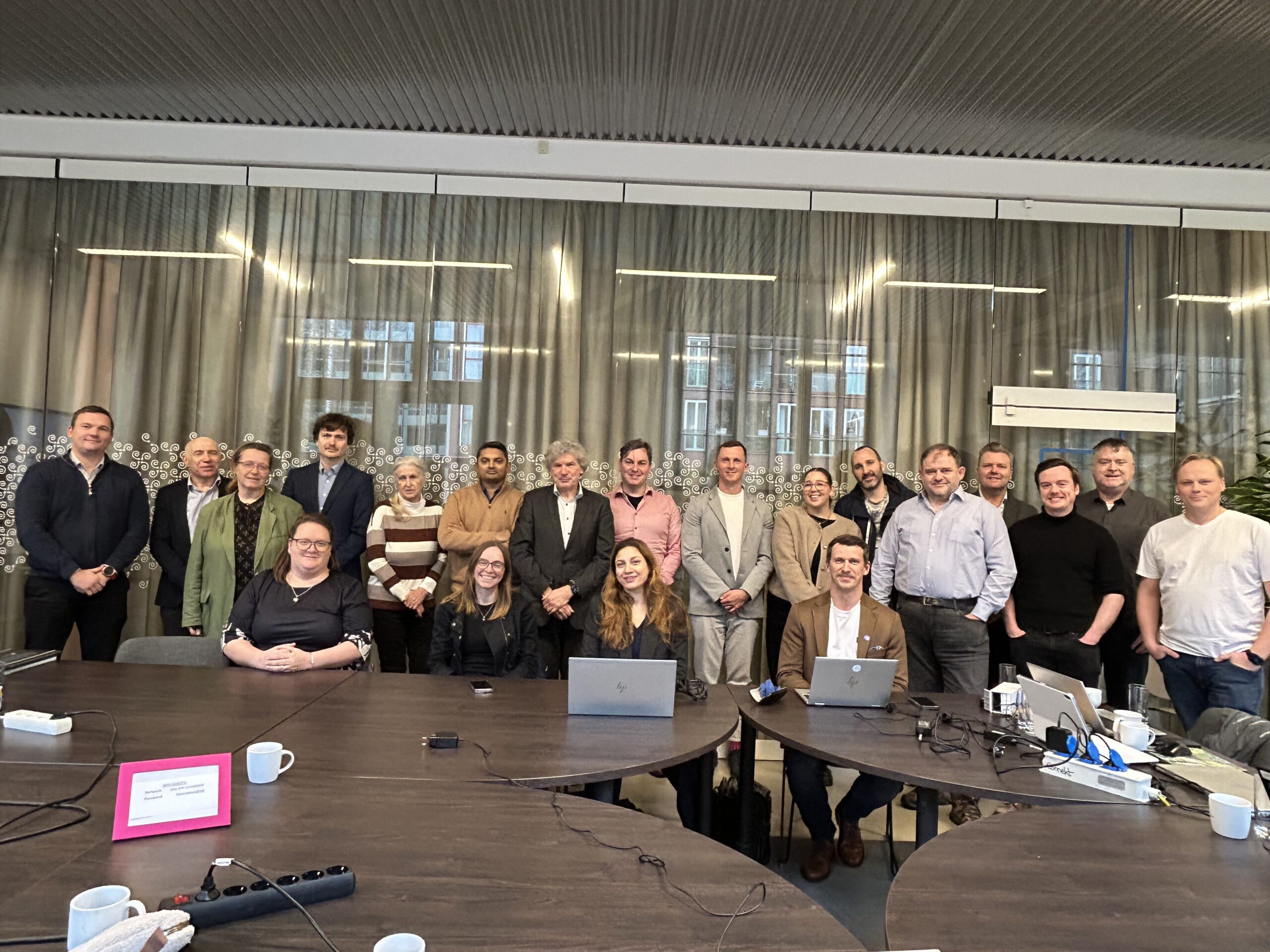
The Kick-Off Meeting for Work Package 2 was held on 8–9 December in Delft, The Netherlands, and was led by the Ministerie van Infrastructuur en Waterstaat (Ministry of Infrastructure and Water Management of the Netherlands).
WP2 focuses on the implementation, testing, and development of eFTI systems involving both Member States and private-sector actors. During the meeting, partners discussed how to support Member States in setting up national eFTI systems and gateways, while also ensuring effective onboarding and integration of private operators into eFTI processes.
The discussions covered the development and maintenance of a reference implementation, including open-source components for competent authorities, as well as the organisation of interoperability testing and cross-border pilot activities. Particular emphasis was placed on preparing for platform pre-certification activities ahead of the official certification framework foreseen under the eFTI Regulation.

A months earlie, on Thursday November 13, the Work Package 3 Kick-Off Meeting took place online. Led by the WP3 Core Team, with Magellan Circle as WP Leader and eFTI Experts as Co-Leader, the meeting focused on preparing partners across the consortium for upcoming communication activities, highlighting the importance of working together to achieve strong and consistent outreach.
WP3 is responsible for the project’s communication, dissemination, and capacity-building activities, with the aim of raising awareness within the European logistics community about the project’s objectives and results. Its work also focuses on promoting the eFTI ecosystem, ensuring adequate visibility of EU co-funding, and facilitating both internal and external knowledge exchange through training and capacity-building initiatives.
In this regard, participants were introduced to the project’s communication approach, tools, and processes, and encouraged to actively contribute to dissemination efforts at both national and European levels.
Both meetings were marked by strong participation, constructive engagement, and a high level of responsiveness from the consortium members involved. The discussions confirmed a shared understanding that cooperation and coordination will be essential to achieving the project’s objectives.