
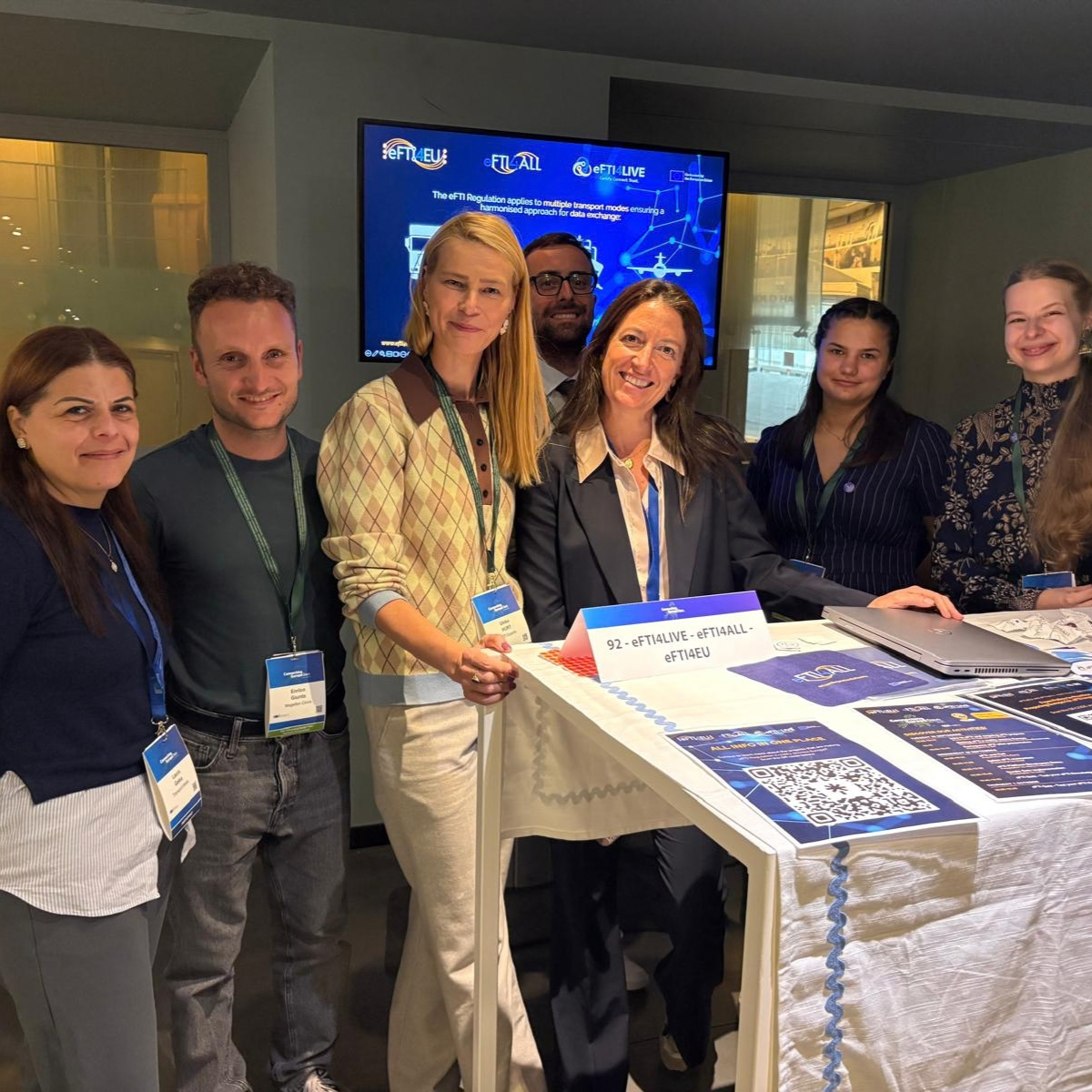
For eFTI4LIVE, Connecting Europe Days 2026 was an opportunity to move the conversation beyond the general principles of digital freight information and look closely at how eFTI can operate across specific transport modes and national ecosystems.
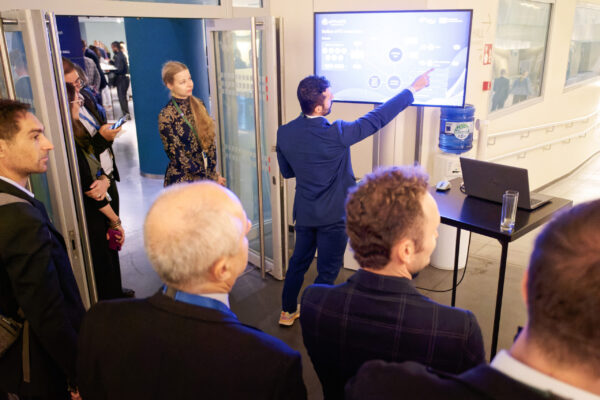
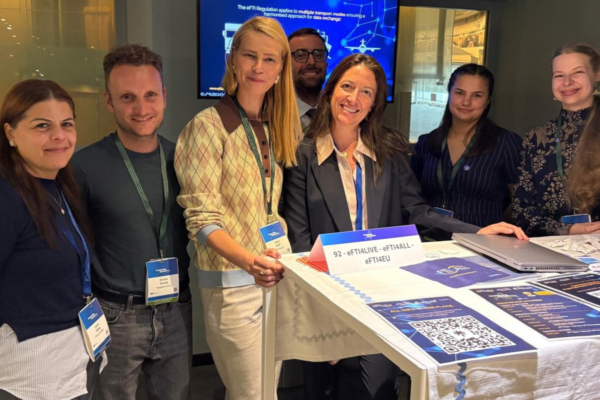
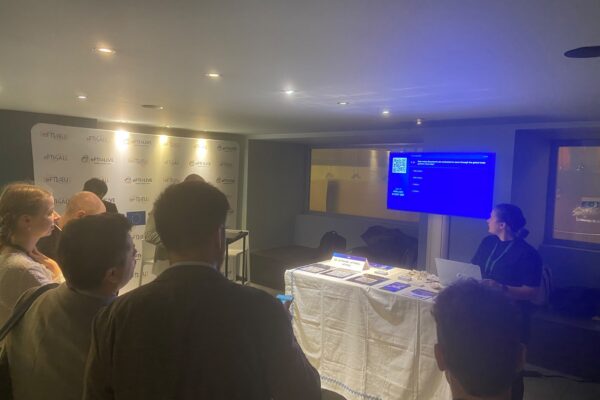
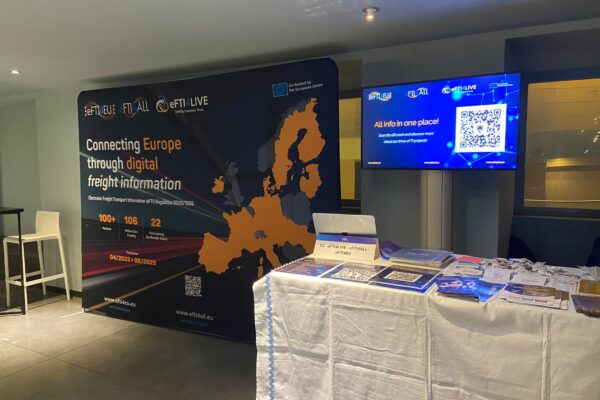
The project joined eFTI4EU and eFTI4ALL at the common eFTI booth in Brussels from 29 September to 1 October, welcoming stakeholders from across Europe and presenting practical perspectives on the next phase of implementation.
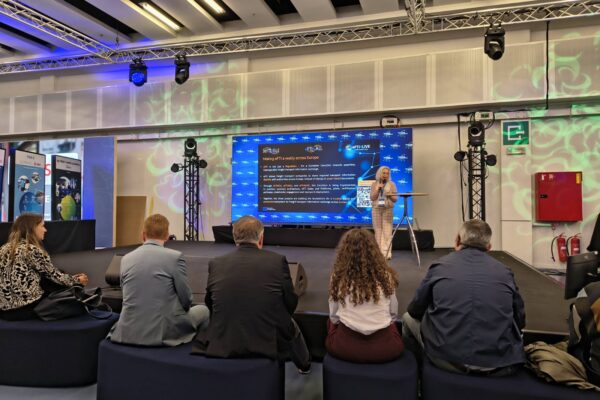
The wider eFTI journey was framed during the Marketplace presentation by Eva Killar, who reviewed the progress achieved by the projects, the legacy of eFTI4EU and the work that must continue through eFTI4ALL and eFTI4LIVE as Europe moves towards the Regulation’s full application in July 2027.
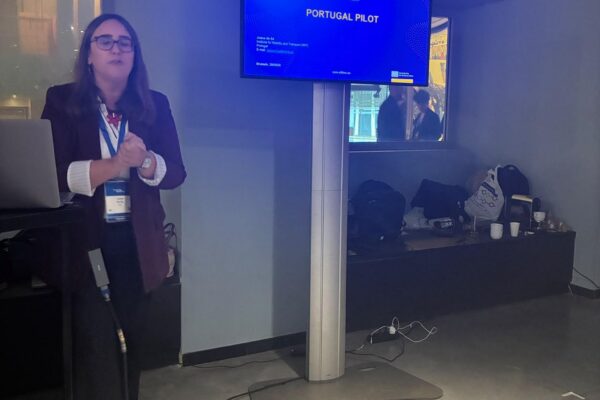
At the booth, eFTI4LIVE focused on two particularly relevant implementation perspectives.
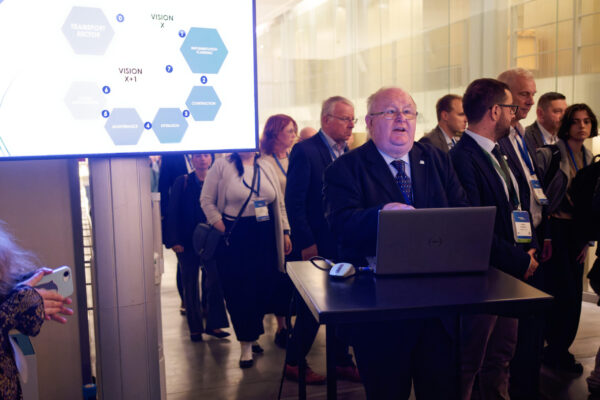
H-Comp explored the relationship between eFTI and the rail sector, explaining what the Regulation changes for rail freight and how electronic regulatory information can fit into a transport mode with its own operational processes, actors and data flows. The presentation helped frame both the opportunities and the adaptation required as rail becomes part of the broader eFTI ecosystem.
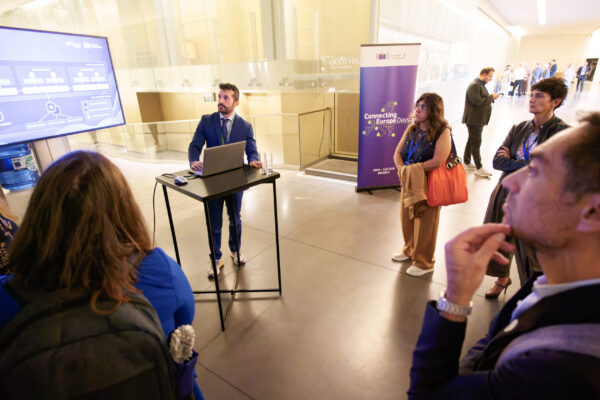
The Italian perspective was presented by Circle S.p.A., which introduced the architecture of the Italian eFTI ecosystem and the role of the eFTI Italy Extender. The solution is designed to allow logistics nodes such as ports and inland terminals to enrich the information made available to control authorities without unnecessarily overloading the national eFTI Gate Italy. This approach illustrates how national architectures can be designed to integrate existing logistics ecosystems while ensuring efficient access to regulatory data.
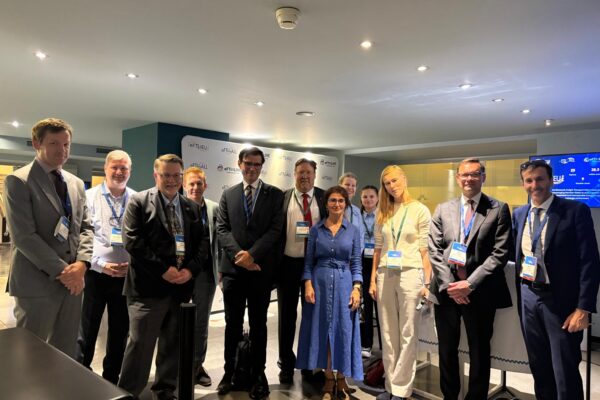
Alongside the presentations, the three days offered valuable opportunities to reconnect with project partners and engage with authorities, technology providers and transport stakeholders attending the event. A dedicated networking exchange with representatives from the Western Balkans also created space to share the experience gained through eFTI and discuss different implementation approaches beyond the current project community.
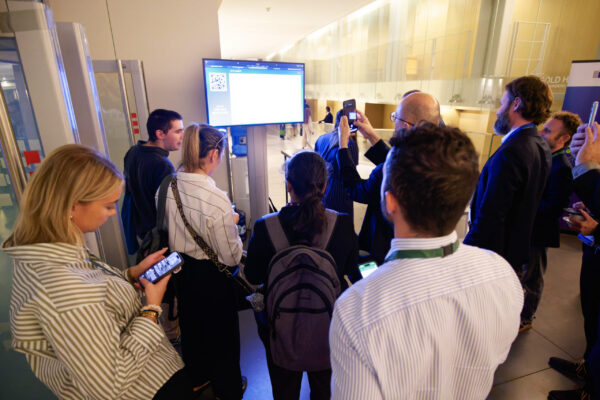
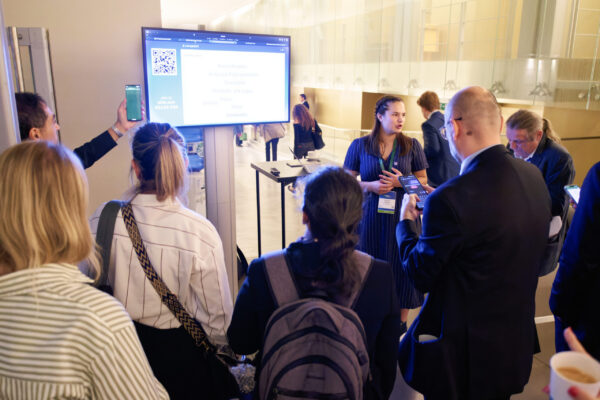
Visitors were also invited to take part in the eFTI Quiz, combining learning with a lighter moment at the stand and generating plenty of interaction throughout the event.
In conclusion, Connecting Europe Days showed how eFTI is increasingly moving from architecture and regulation towards real operational ecosystems, adapted to different countries, transport modes and stakeholder needs.